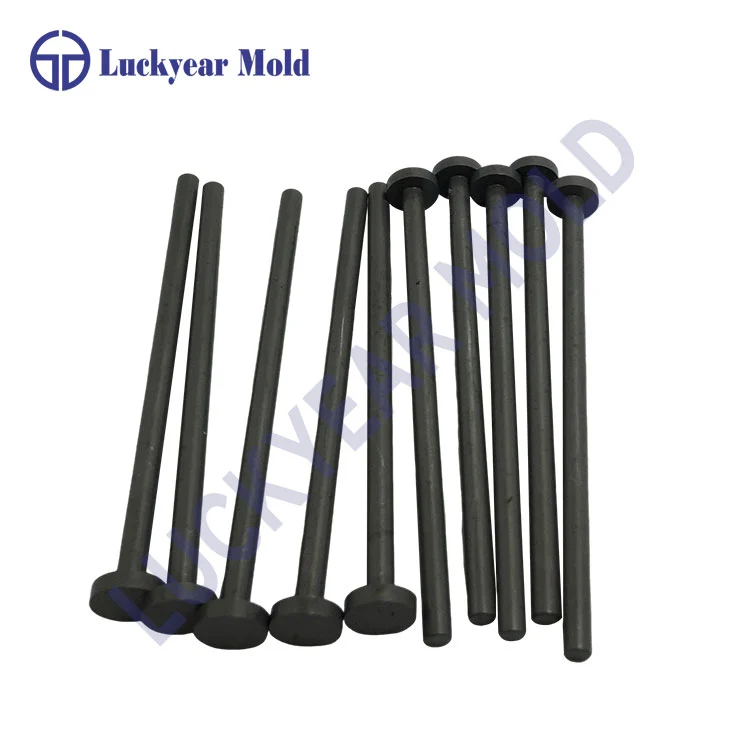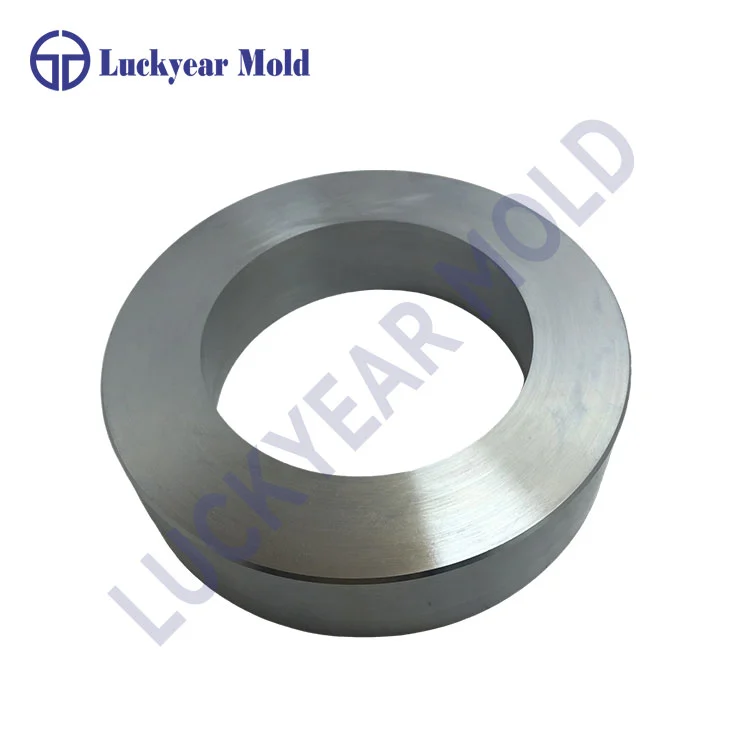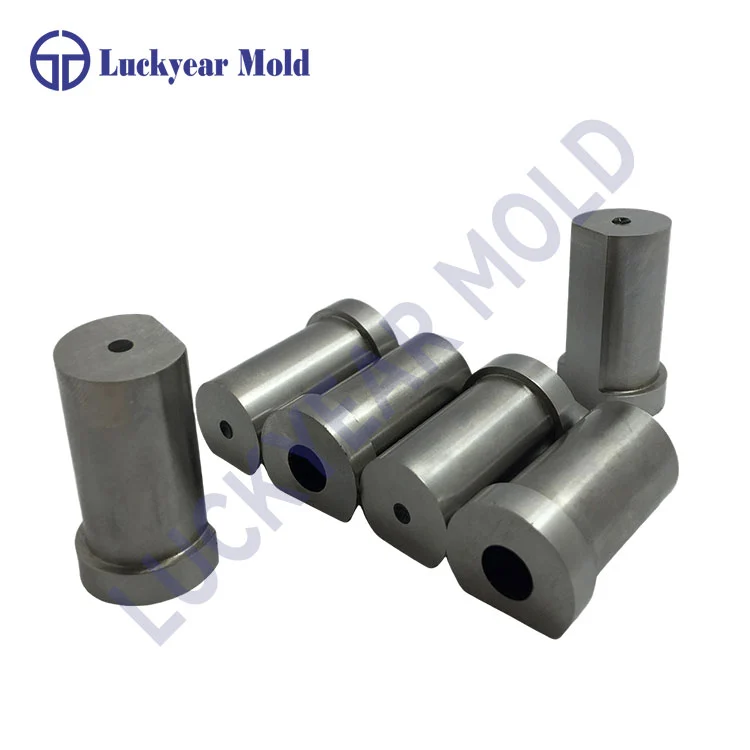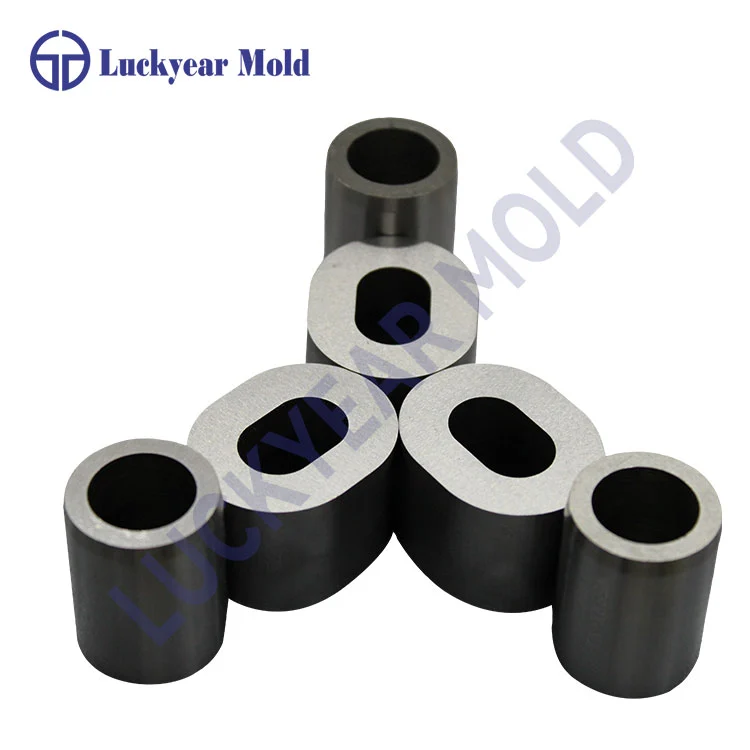

Precision Ball Lock Punches are specialized tooling components widely used in metal stamping, die making, machining, and precision manufacturing. Designed for accurate positioning and quick installation, these punches use a ball-lock mechanism to securely hold the punch body in place while allowing fast replacement when maintenance or tooling changes are required.
Compared with traditional fixed punches, precision ball lock punches provide better convenience in production environments where tooling accuracy, replacement speed, and consistent performance are important.
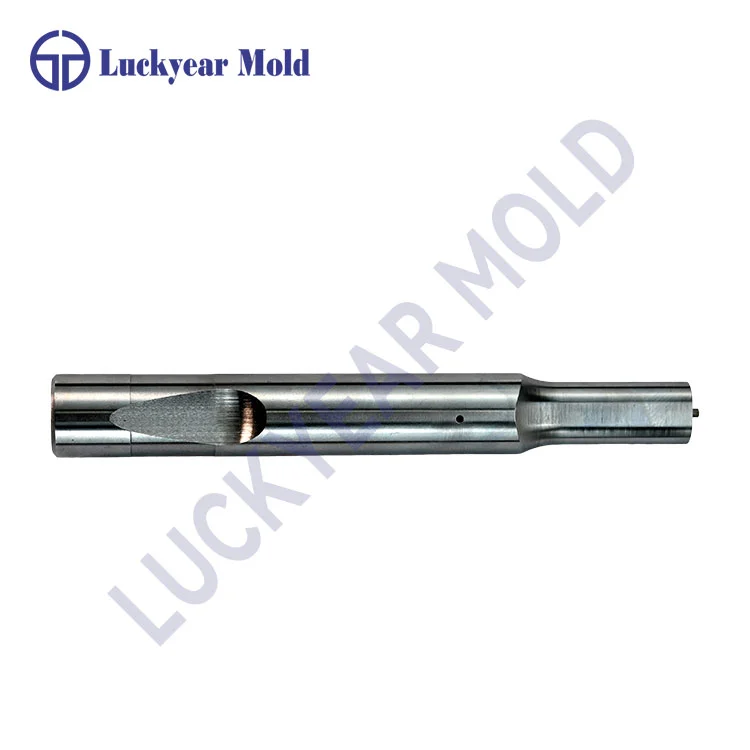
A Precision Ball Lock Punch is a type of replaceable punch component that uses a locking ball mechanism to secure the punch inside a punch holder or retainer.
The locking system typically includes:
|
Component |
Function |
|
Punch Body |
Performs the cutting, forming, or punching operation |
|
Ball Lock Mechanism |
Secures the punch in the holder |
|
Retainer/Holder |
Supports and positions the punch |
|
Head Section |
Provides accurate positioning and installation reference |
The ball-lock design allows operators to install or remove punches quickly without completely disassembling the tooling system.
The working principle is based on a simple mechanical locking structure.
During installation:
The punch is inserted into the punch holder.
The locking ball moves into the retaining position.
The ball engages with the holder groove or locking area.
The punch becomes firmly fixed during operation.
When replacement is needed, the punch can be released and removed with the appropriate tool, reducing downtime during production.
Modern manufacturing requires high efficiency and consistent accuracy. Ball lock punches provide several practical advantages.
1. Faster Tool Replacement
In stamping and forming operations, punch wear is a normal occurrence. A quick-change design allows operators to replace damaged or worn punches faster.
Benefits include:
Reduced machine downtime
Easier maintenance
Improved production efficiency
2. Improved Positioning Accuracy
Precision manufacturing depends on accurate punch positioning.
Ball lock punches are designed to provide:
Stable installation
Repeatable positioning
Reduced alignment errors
This is especially important for applications involving tight tolerances.
3. Convenient Tool Management
Because individual punches can be replaced separately, manufacturers do not always need to replace an entire tooling assembly.
This helps reduce maintenance costs and simplifies inventory management.
1. Metal Stamping
Metal stamping is one of the main application areas.
Used for:
Hole punching
Sheet metal forming
Component manufacturing
Automotive parts production
Precision punches help maintain consistent results during repeated operations.
2. Die Manufacturing
In die and mold production, accurate punch positioning is essential.
Ball lock punches are commonly used in:
Progressive dies
Stamping dies
Custom tooling systems
3. Electronics and Small Component Manufacturing
For industries requiring small and accurate parts, precision punches help create consistent features.
Applications include:
Electronic components
Small metal parts
Precision brackets
4. Machinery Manufacturing
Various mechanical components require accurate holes and profiles. Replaceable punch systems help manufacturers maintain production flexibility.
1. Material and Hardness
Punch material directly affects durability and wear resistance.
Common materials include:
|
Material |
Characteristics |
|
Tool Steel |
Good balance of strength and durability |
|
High-Speed Steel (HSS) |
Higher wear resistance for demanding applications |
|
Powder Metallurgy Steel |
Improved performance for high-volume production |
The correct material depends on the workpiece material and production conditions.
2. Dimensional Accuracy
Precision punches require accurate dimensions to maintain consistent machining results.
Important specifications include:
Punch diameter
Length
Head dimensions
Tolerance level
Surface finish
Higher precision is especially important for automated production lines.
3. Surface Treatment
Some punches receive surface treatments to improve service life.
Common treatments may include:
Hard coating
Surface hardening
Polishing
These treatments can help reduce wear and friction during repeated operations.
Precision Ball Lock Punches vs Traditional Punches
|
Feature |
Ball Lock Punches |
Traditional Fixed Punches |
|
Replacement Speed |
Quick replacement |
Requires more disassembly |
|
Maintenance |
Easier |
More time-consuming |
|
Positioning |
Repeatable accuracy |
Depends on installation |
|
Production Efficiency |
Suitable for frequent changes |
Better for fixed setups |
|
Flexibility |
Higher |
Lower |
The main advantage of ball lock punches is their quick-change capability.
Inspect Wear Regularly
Continuous punching operations may cause:
Edge wear
Surface damage
Reduced cutting performance
Regular inspection helps identify replacement needs early.
Keep Tooling Clean
Dust, metal chips, and residue may affect installation accuracy. Keeping the punch and holder clean helps maintain stable operation.
Use Proper Storage
Store punches in an organized way to prevent:
Surface scratches
Mixing of different specifications
Accidental damage
What industries use Precision Ball Lock Punches?
They are commonly used in metal stamping, automotive manufacturing, electronics production, die making, and precision machining industries.
Are ball lock punches replaceable?
Yes. Their quick-change design is specifically developed for easy replacement when maintenance is required.
Why choose ball lock punches instead of standard punches?
They offer faster replacement, easier maintenance, and consistent positioning, making them suitable for production environments requiring frequent tooling changes.
How long can a ball lock punch last?
Service life depends on factors such as material, workpiece hardness, operating conditions, lubrication, and maintenance practices.