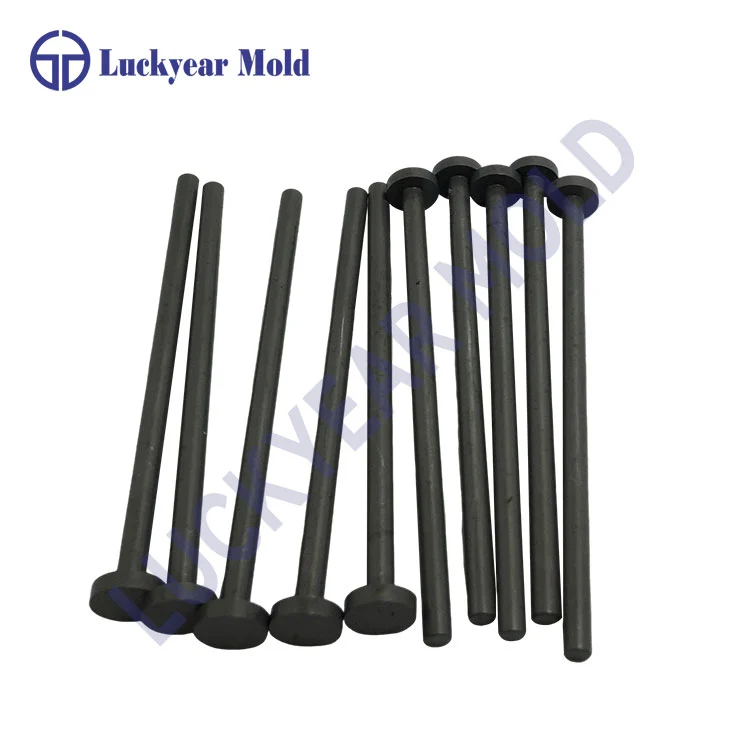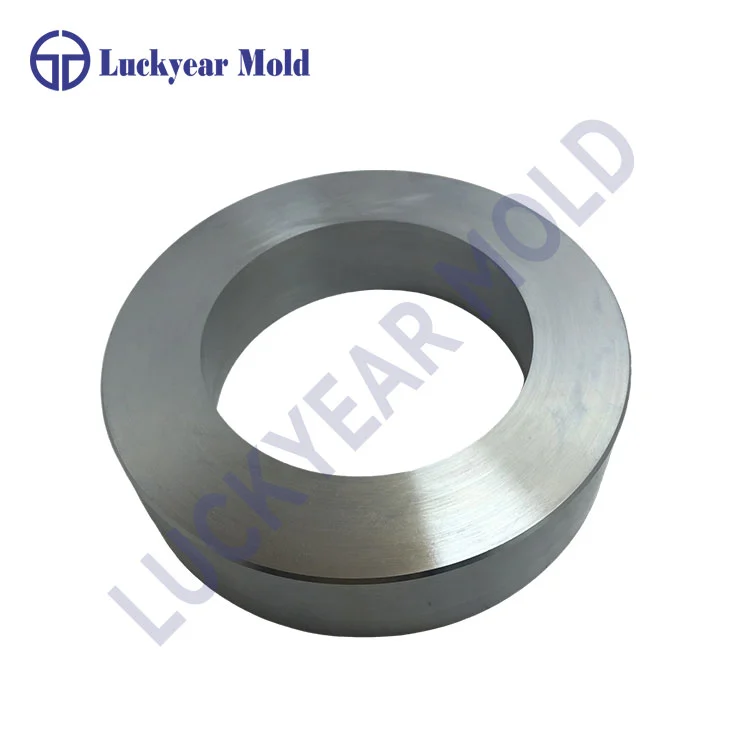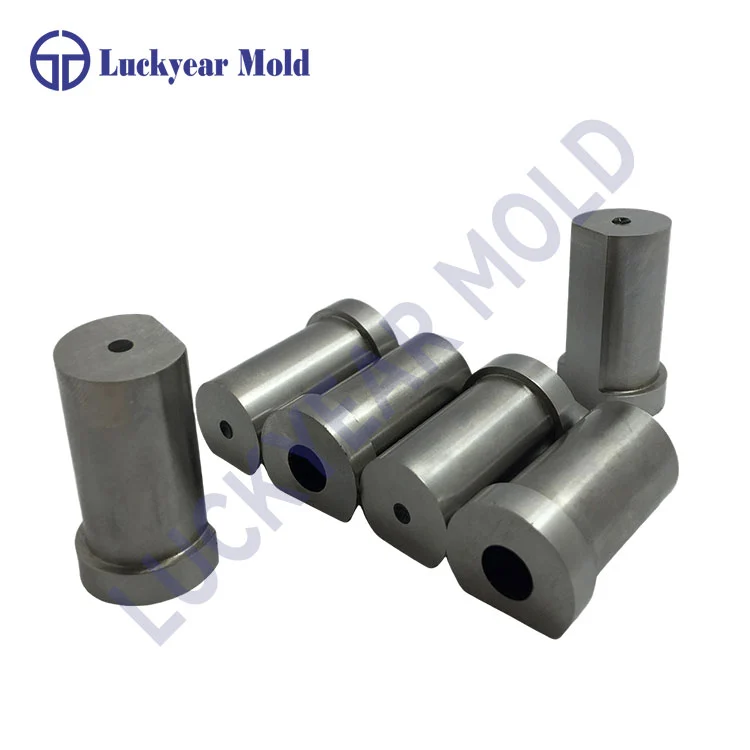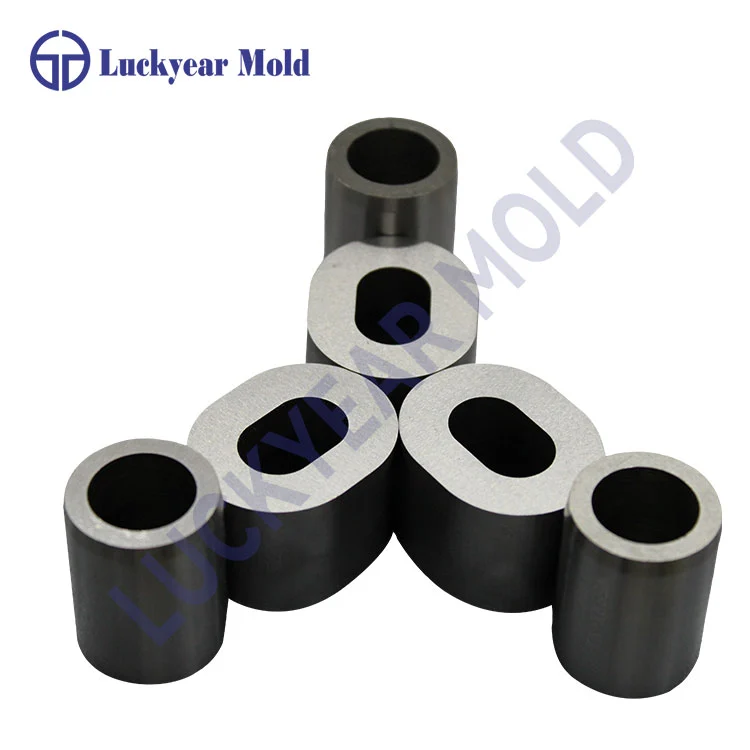

Precision Ball Lock Punches are key tooling components in metal stamping and die-making operations that use a quick‑change “ball lock” mechanism for fast insertion and removal. This guide explains what they are, how they function, where they are used, and how to choose the right type for your manufacturing process — with industry context and examples to support decision‑making.
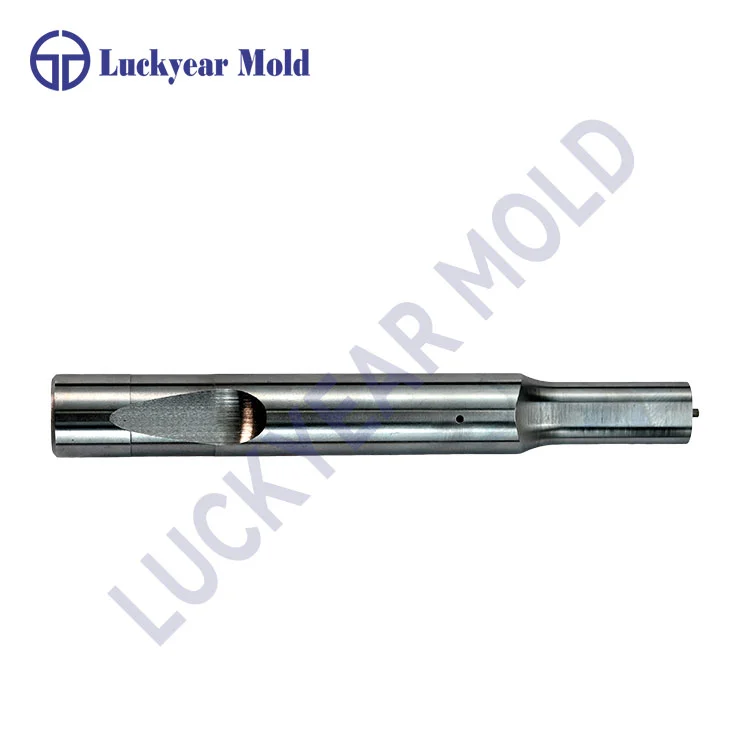
Precision Ball Lock Punches are specialized metal stamping tools designed to create holes or forms in sheet metal or other substrates using a quick‑change mechanism based on a locking ball. They are made from high‑grade tool steels such as SKH51, SKD11, or equivalent materials and are manufactured to precise tolerances for repeatable performance in industrial tooling applications.
Unlike standard punches that are pressed or driven into a die seat with a fixed mounting, Ball Lock Punches “lock” into the retainer via a small steel ball and groove, enabling rapid removal and replacement without dismantling the entire die system. This mechanism significantly reduces downtime during tooling maintenance or changeovers.
The operation principle of a precision Ball Lock Punch relies on its unique quick‑change locking system:
This system contrasts with traditional press‑fit tools that require significant teardown time to replace or adjust tooling components.
The advantages of using Precision Ball Lock Punches are especially evident in medium and high‑volume production environments:
| Benefit | Explanation |
|---|---|
| Quick Change‑Out | Ball lock mechanism allows rapid punch replacement without die removal, reducing maintenance downtime. |
| Enhanced Precision | Manufactured to high tolerances, ensuring consistent hole quality and alignment. |
| Versatility | Available in both light and heavy duty styles, with or without ejector options. |
| Reduced Downtime | Fast removal of worn or damaged punches speeds up maintenance cycles. |
These benefits make Ball Lock Punches common in automotive stamping, appliance manufacturing, and industrial die building where uptime and part consistency are critical.
Precision Ball Lock Punches come in a range of configurations depending on application needs:
Choosing the right Ball Lock Punch depends on several factors:
What materials are Precision Ball Lock Punches made from?
Most precision Ball Lock Punches are made from high‑grade tool steels such as SKH51, SKD11, or equivalents. These materials provide the hardness and wear resistance necessary for repeated stamping operations.
How does the ball lock mechanism improve tooling uptime?
The ball lock mechanism allows quick insertion and removal of punches from holders without dismantling the entire die. This speeds up maintenance and reduces production downtime.
Can Ball Lock Punches be used with ejector systems?
Yes, there are Ball Lock Punches designed with integrated ejectors (often called Ball Lock Ejector Punches) which help prevent slug pulling and improve die performance in certain applications.
What industries commonly use Ball Lock Punches?
Ball Lock Punches are widely used in automotive manufacturing, appliance production, and industrial die building where sheet metal operations are frequent and precision is essential.
Are Ball Lock Punches standardized?
The ball lock function aligns to standards like ANSI B94.17 for proper engagement and safety, but exact dimensions and profiles can vary by manufacturer. Checking punch retainers and gauges for correct ball seat location helps prevent issues.
For high‑precision tooling needs, consider partnering with industry leaders like Dongguan Luckyear Precision Mold Parts Co., Ltd. who specialize in precision tooling components including ball lock punches.