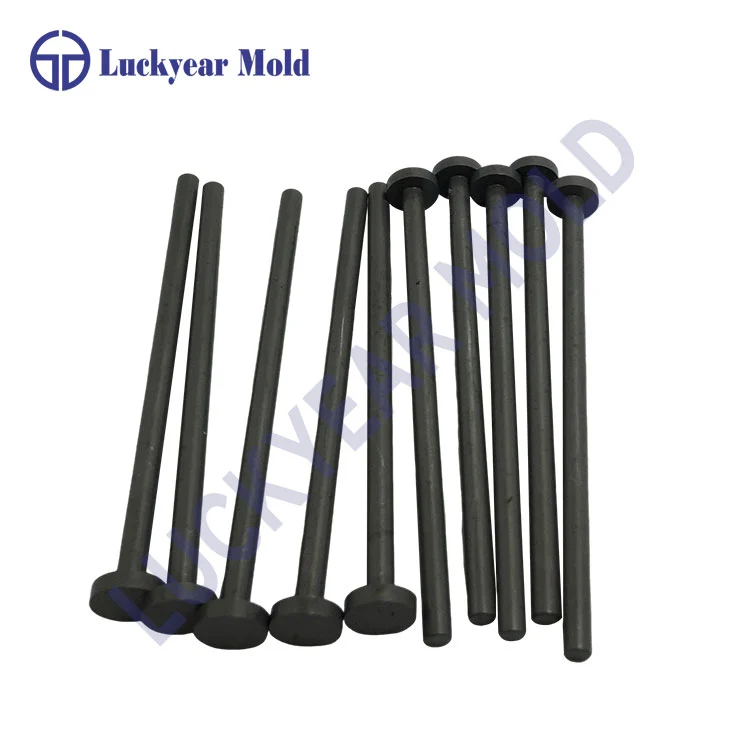

Standard Ejector Pins are fundamental components in injection molding systems, responsible for the precise and repeatable ejection of molded parts from the mold cavity. This article provides a structured and technical exploration of Standard Ejector Pins, focusing on dimensional standards, material specifications, operational principles, application scenarios, and industry-recognized challenges. The objective is to clarify how these components function within modern mold designs while addressing common technical questions raised by tooling engineers, mold designers, and procurement specialists.
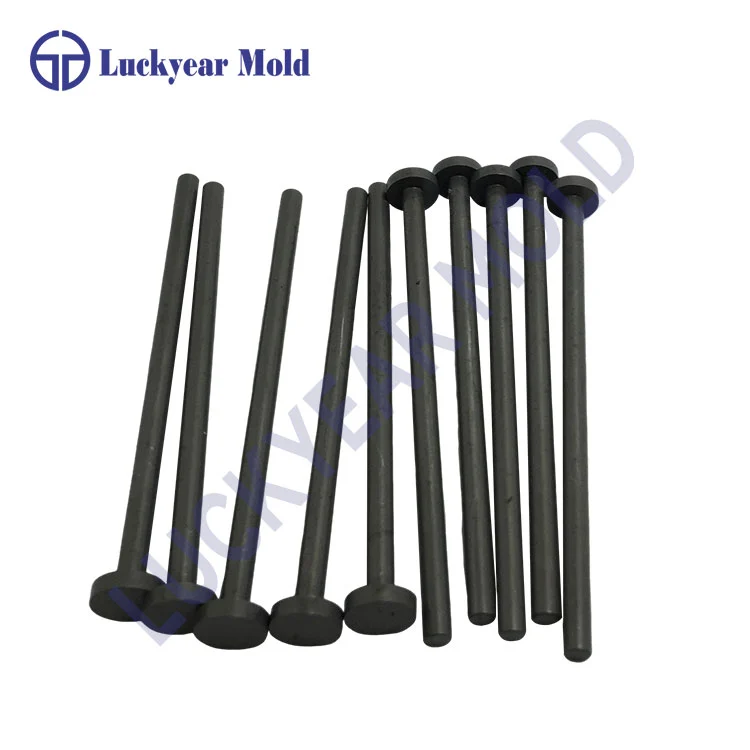
Standard Ejector Pins are precision-engineered cylindrical components installed in injection molds to mechanically push molded parts out of the cavity after the cooling stage. Their primary role is to ensure consistent demolding without deformation, surface damage, or production interruption. These pins operate within the ejector system, synchronizing with ejector plates and return pins to maintain cycle stability.
In high-volume manufacturing environments, the reliability of Standard Ejector Pins directly affects mold longevity and production efficiency. Improper selection or dimensional inconsistency can result in uneven ejection force, part sticking, or premature mold wear. Therefore, Standard Ejector Pins are produced according to internationally recognized standards such as DIN, JIS, and ISO, ensuring interchangeability and predictable performance.
This article centers on how Standard Ejector Pins are designed, specified, and applied across various molding scenarios, emphasizing technical clarity rather than promotional language.
The performance of Standard Ejector Pins depends heavily on dimensional accuracy, material composition, and surface integrity. These parameters are tightly controlled during manufacturing to meet the operational demands of modern injection molding machines.
| Parameter | Typical Range | Technical Notes |
|---|---|---|
| Diameter | Ø1.0 mm – Ø25.0 mm | Precision-ground to maintain straightness and fit |
| Length | Up to 1000 mm | Custom lengths available based on mold depth |
| Material | SKD61 / H13 / SKH51 | Selected for hardness, toughness, and heat resistance |
| Hardness | HRC 58–62 | Ensures resistance to wear and deformation |
| Surface Finish | Ra ≤ 0.2 μm | Reduces friction and galling during operation |
| Heat Treatment | Vacuum hardening | Improves dimensional stability |
Manufacturing processes typically include CNC turning, centerless grinding, vacuum heat treatment, and optional surface coatings such as TiN or DLC. These processes are selected to balance hardness with core toughness, preventing brittle failure under repetitive load cycles.
Standard Ejector Pins are applied across a wide range of injection molding operations, including automotive components, consumer electronics housings, medical disposables, and industrial plastic parts. Their placement and quantity are determined during mold design, based on part geometry, wall thickness, and material shrinkage behavior.
Performance considerations include alignment accuracy, lubrication conditions, and thermal expansion. In high-temperature molding environments, material selection becomes critical to prevent softening or bending. For abrasive or glass-filled plastics, surface-treated ejector pins are often specified to minimize wear.
Regular inspection and replacement schedules are recommended, as even minor surface damage can transfer defects onto molded parts. Standardization allows maintenance teams to replace worn pins without extensive re-machining, reducing downtime.
How are Standard Ejector Pins selected for a specific mold design?
Selection is based on cavity layout, required ejection force, material type, and mold operating temperature. Engineers calculate pin diameter and quantity to distribute force evenly and avoid part deformation.
How does surface finish affect ejector pin performance?
A finer surface finish reduces friction between the pin and the mold plate, minimizing wear and preventing sticking. This directly contributes to smoother ejection cycles and longer service life.
How often should Standard Ejector Pins be replaced?
Replacement intervals depend on production volume, material abrasiveness, and maintenance practices. Visual inspection for wear marks, bending, or discoloration is commonly used to determine serviceability.
From an industry perspective, future development trends for Standard Ejector Pins focus on advanced coatings, higher fatigue resistance materials, and tighter dimensional tolerances to support increasingly complex mold designs and automated production lines.
As a recognized participant in the tooling component supply chain, Luckyear provides Standard Ejector Pins manufactured in accordance with international standards, supporting consistent quality and application reliability across diverse molding requirements.
For further technical details, customized specifications, or procurement support regarding Standard Ejector Pins, contact us to engage with a dedicated technical team for application-oriented assistance.