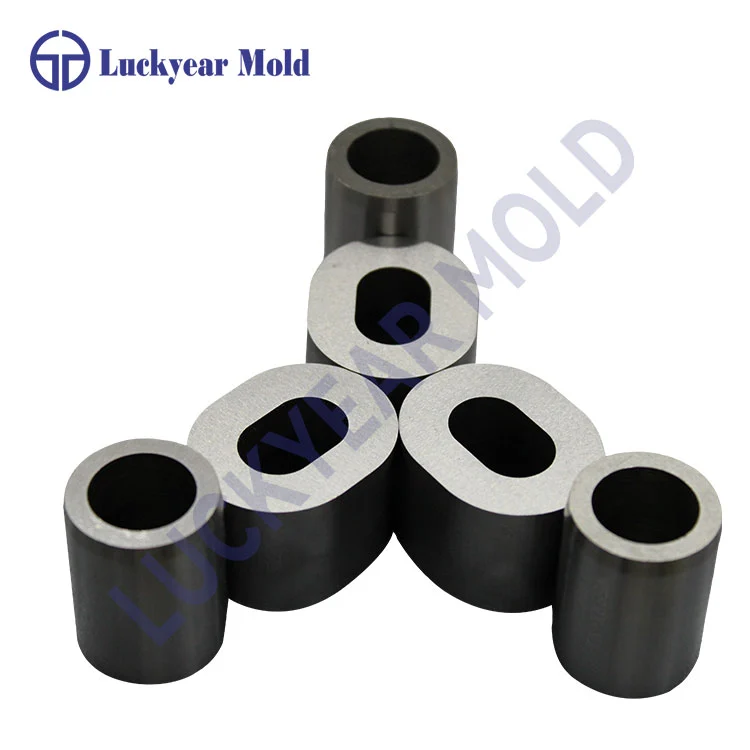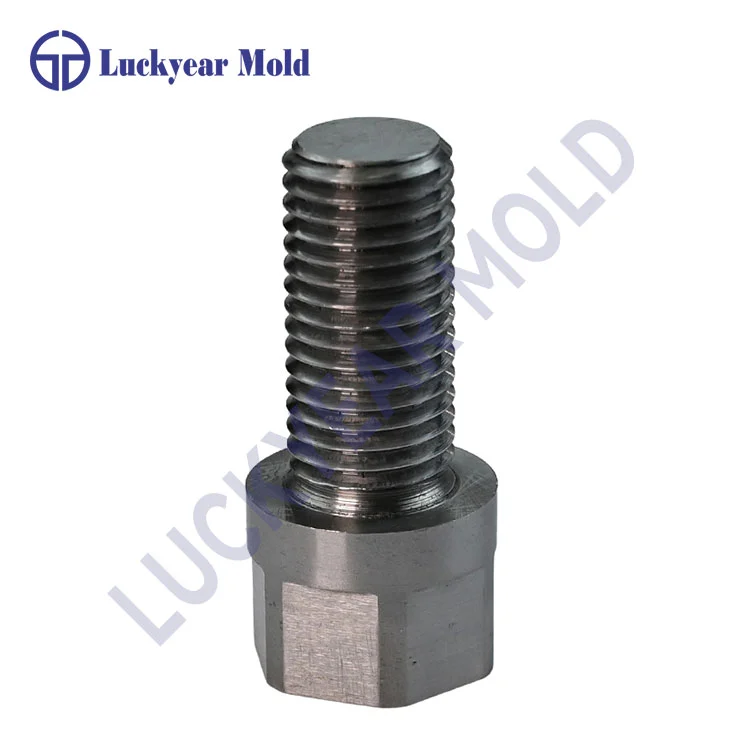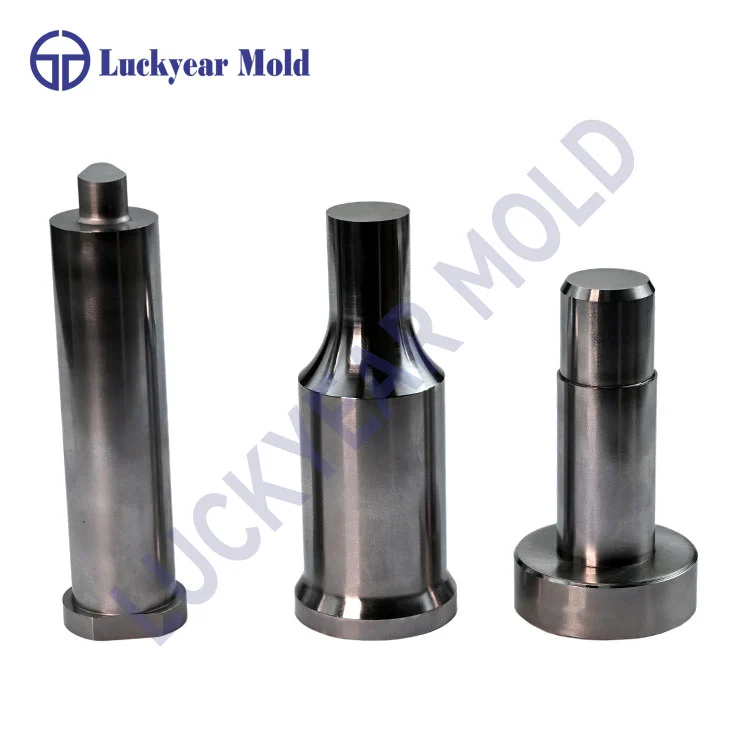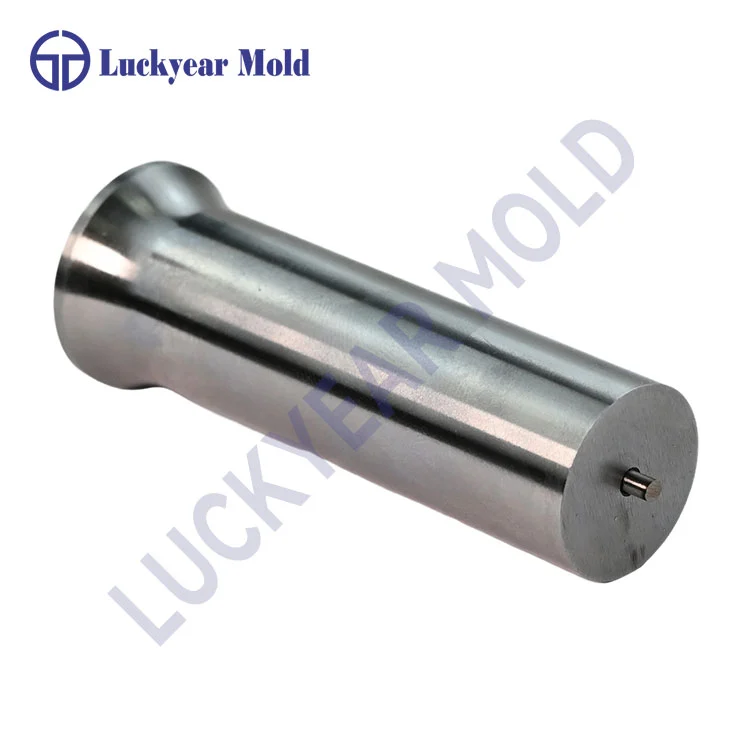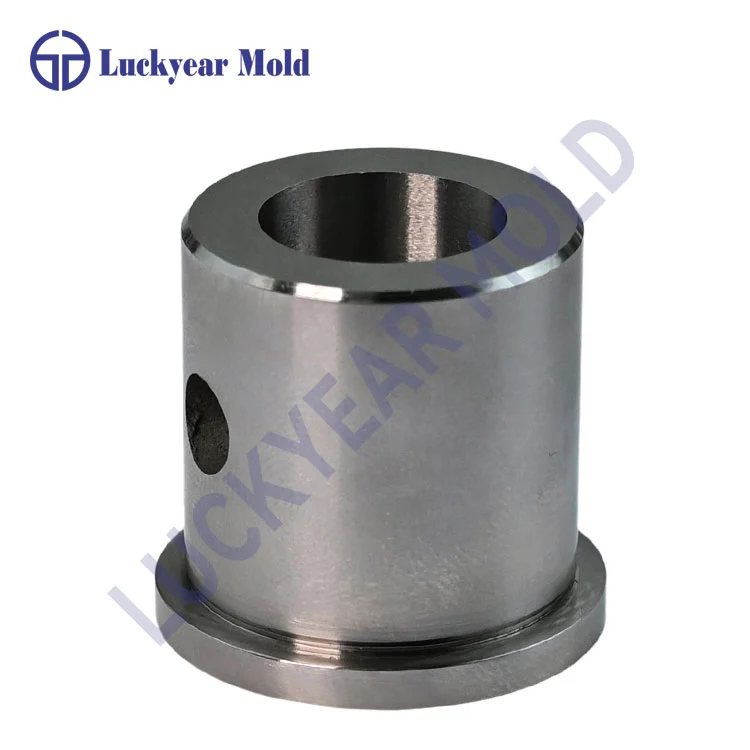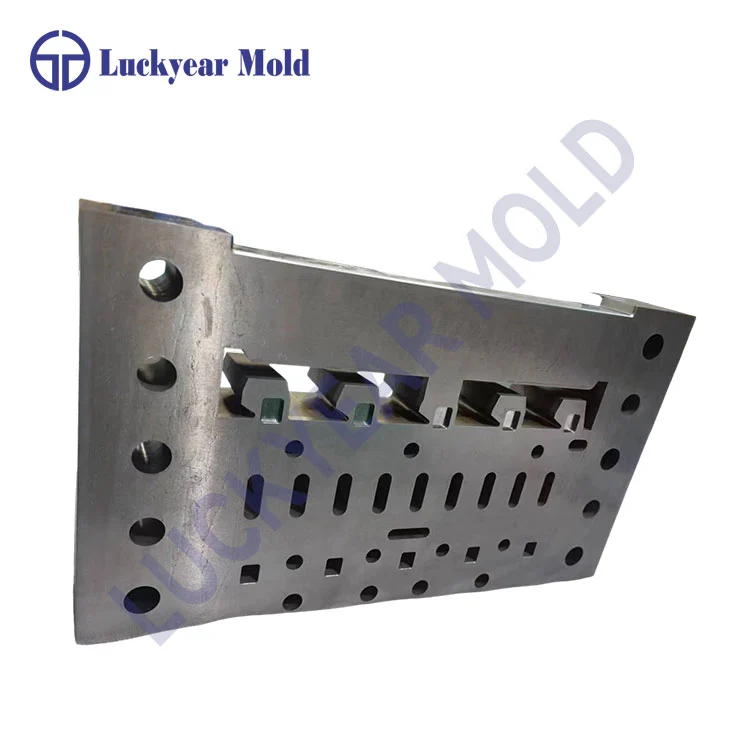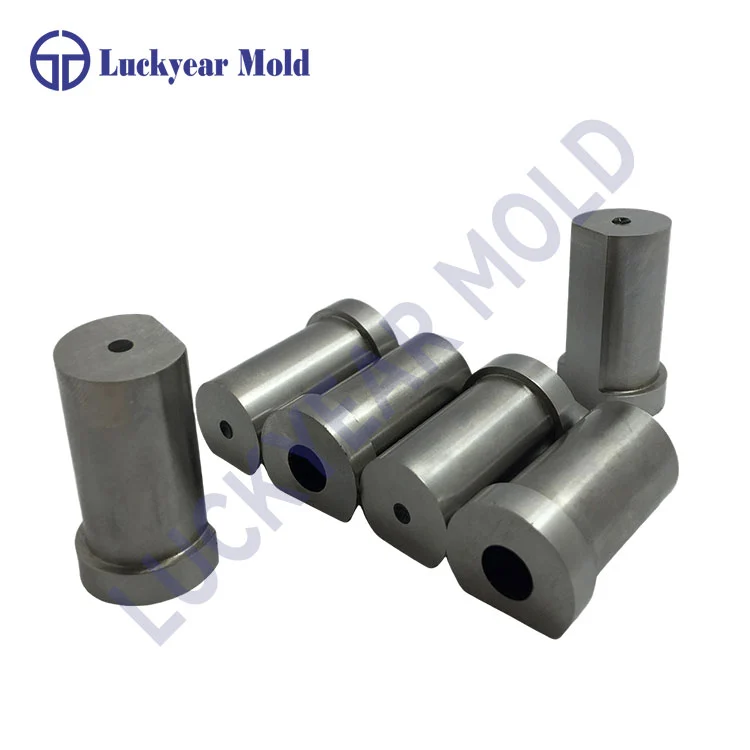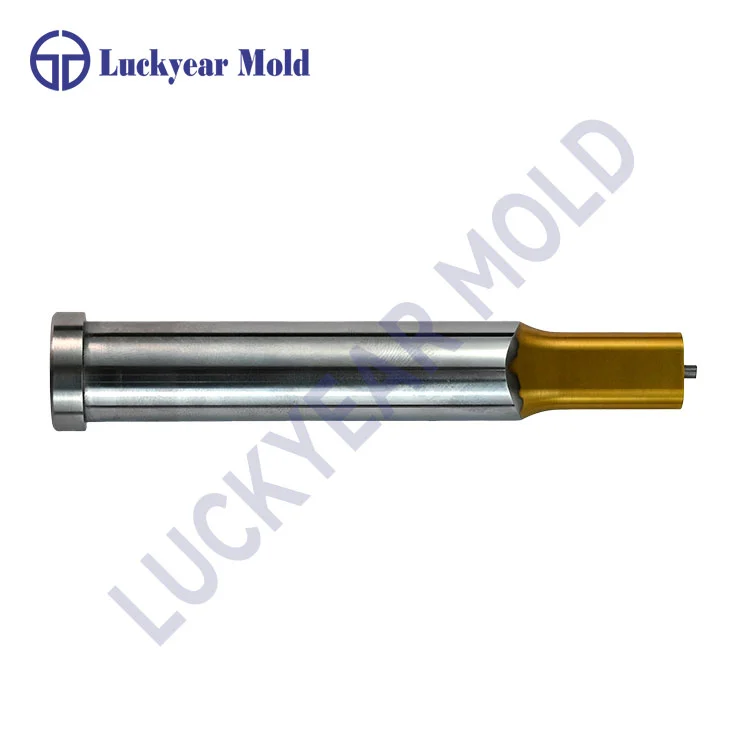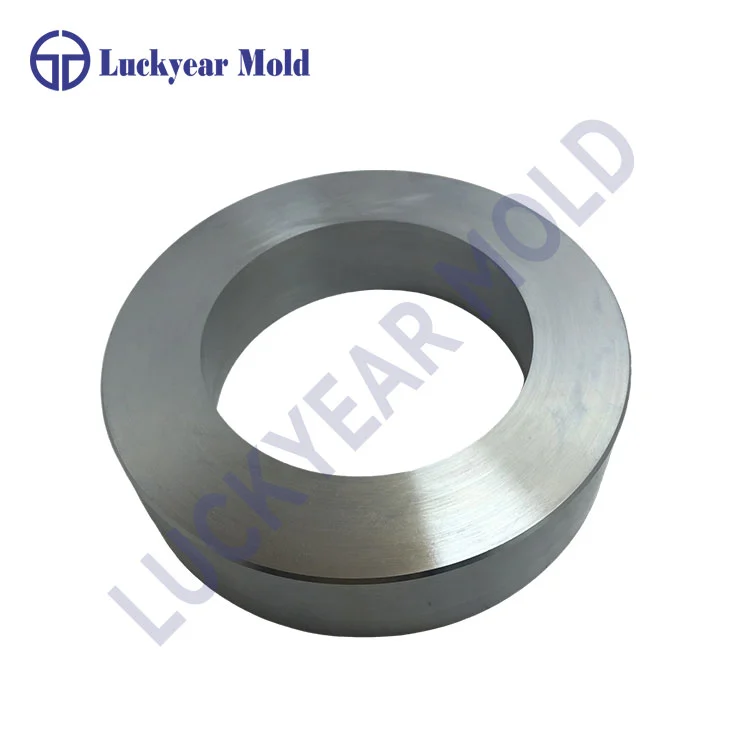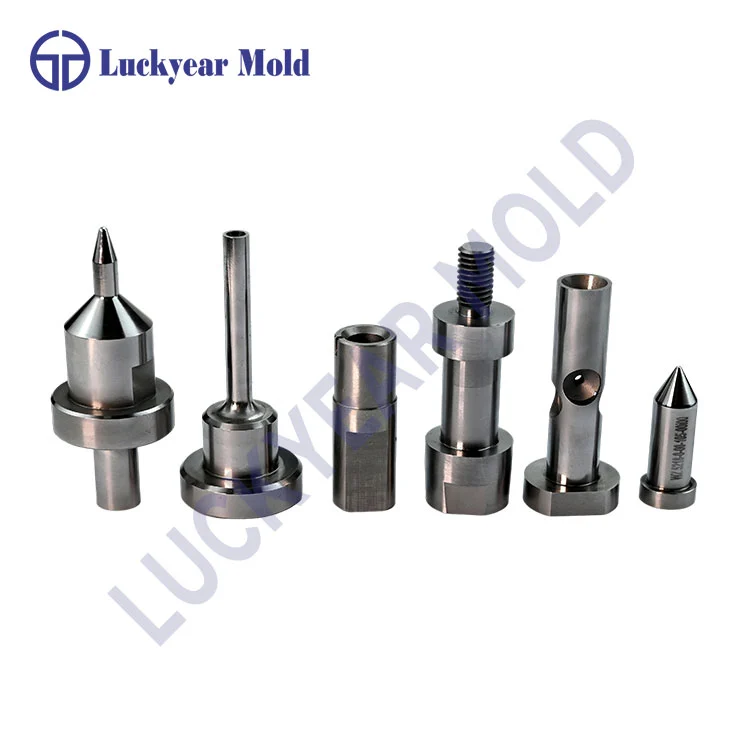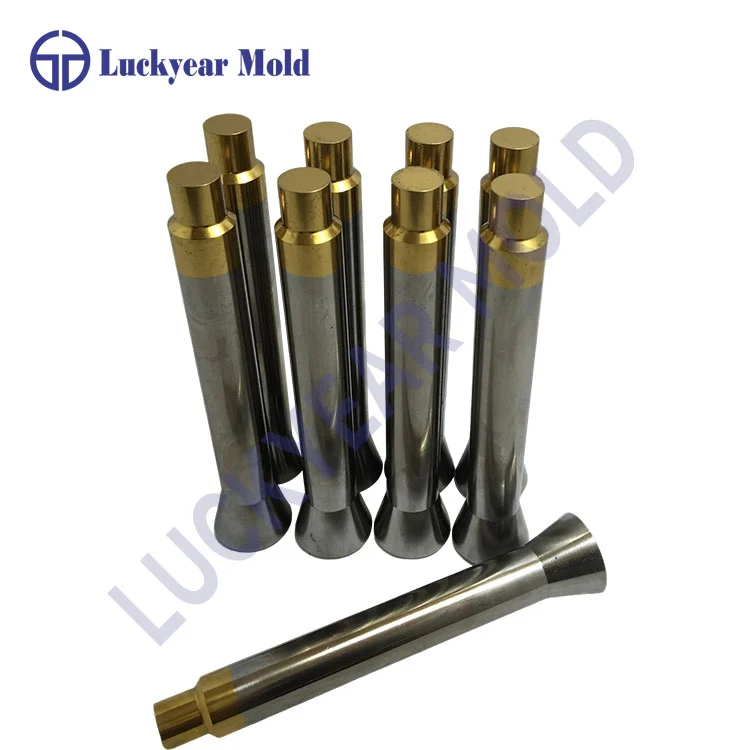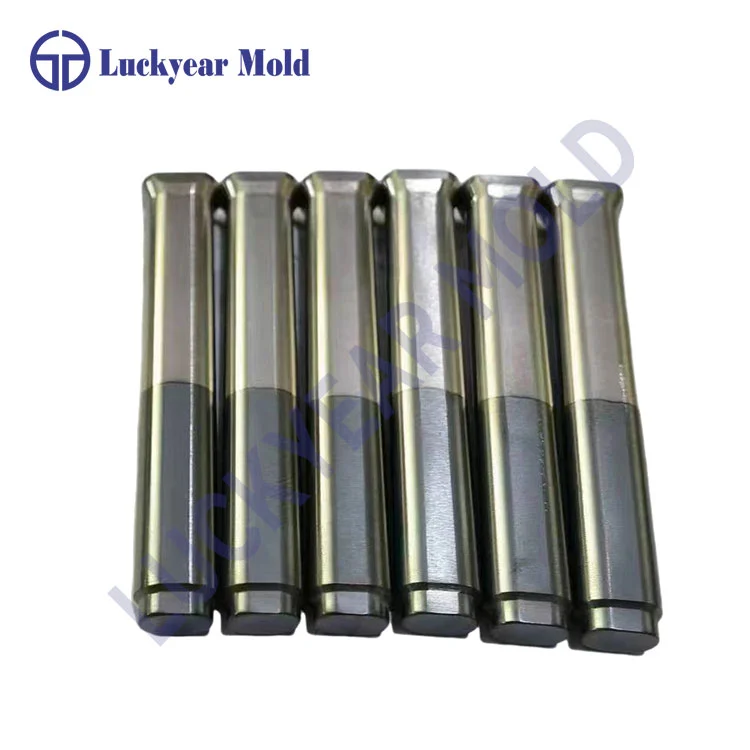
For high-precision, long-lasting performance in demanding drilling and machining operations, look no further than the DIN 9845 Type B die bush. This standardized component is engineered to act as a robust and accurate drill guide, crucial for maintaining tool alignment and protecting sensitive dies and jigs from wear. Commonly referred to as a DIN 9845 type B Drill Guide Bushing, it is specifically designed for use in thin press and die plates. Its flanged head allows for secure mounting on the plate surface while the hardened precision ground body provides exceptional resistance to the abrasive forces of cutting tools, ensuring consistent hole quality and extended component life.
The DIN 9845 Type B die button is defined by its specific geometric and material characteristics, which are standardized to ensure interchangeability and reliability. These precision bushings are typically manufactured from high-grade, through-hardened tool steel, offering superior durability. Key features include a ground outer diameter for a precise press-fit into the die plate and a hardened, honed inner bore that serves as the guide for the drill or punch. The flanged head is a critical design element, providing a positive stop against the plate surface and preventing the bushing from being pushed through during operations. Below are the detailed technical specifications for standard sizes.
| Nominal Bore (d1) mm | Outer Diameter (d2) mm | Flange Diameter (d3) mm | Overall Height (h1) mm | Flange Height (h2) mm |
|---|---|---|---|---|
| 3.0 | 8 | 12 | 10 | 4 |
| 4.0 | 10 | 15 | 12 | 5 |
| 5.0 | 12 | 18 | 15 | 6 |
| 6.0 | 12 | 18 | 15 | 6 |
| 8.0 | 16 | 22 | 18 | 7 |
| 10.0 | 16 | 22 | 18 | 7 |
| 12.0 | 20 | 28 | 22 | 8 |
For non-standard requirements, dimensions such as d2 (outer diameter) and d3 (flange diameter) can often be customized to suit specific plate thicknesses and application needs. The DIN 9845 Type B die button is an indispensable component in the tooling industry, vital for achieving repeatable precision in metal stamping, punching, and fabrication processes. Its standardized design ensures easy sourcing and replacement, minimizing machine downtime and contributing to efficient, cost-effective manufacturing.