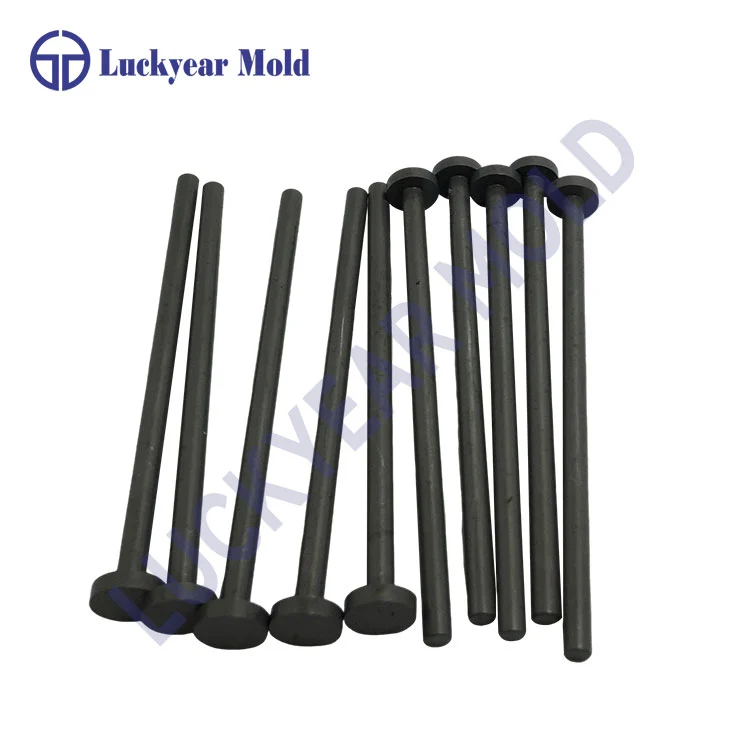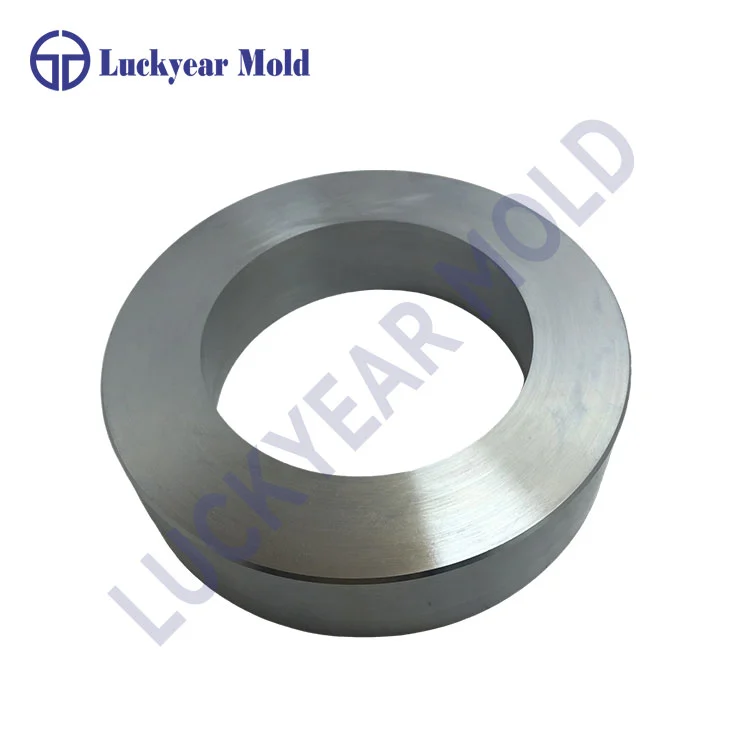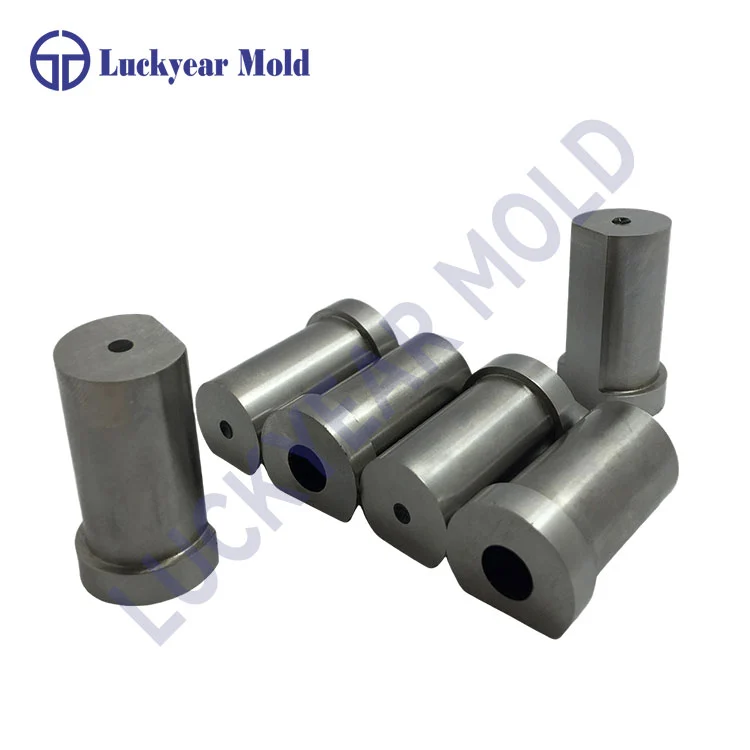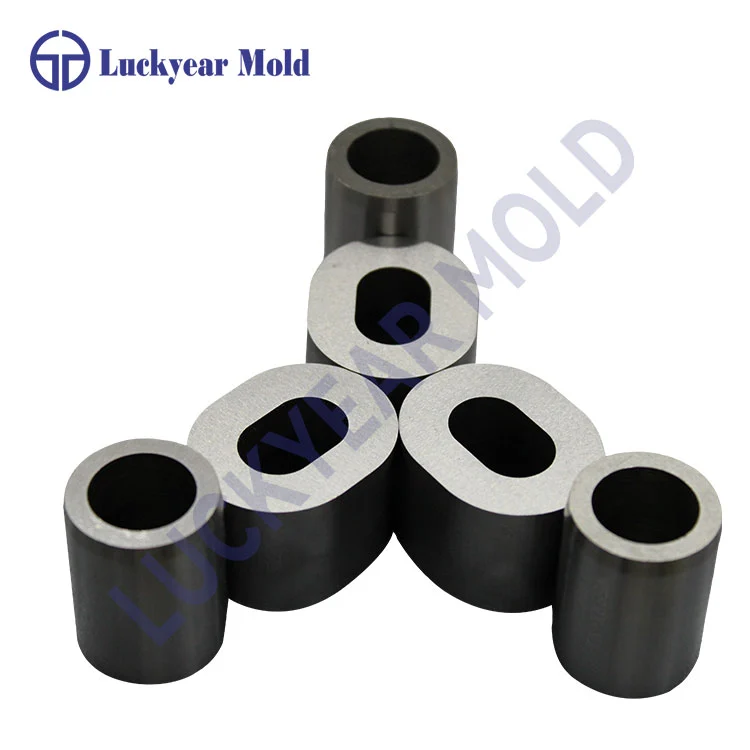

This article systematically analyzes the core advantages, material properties, industrial applications, performance comparison, and selection criteria of Carbide Standard Dies. It explains why such dies have become key tools in precision cutting, metal forming, and high‑demand processing across electronics, automotive, medical, and aerospace sectors. The text also covers maintenance, lifespan extension, and supplier selection, providing manufacturers with practical guidance to improve efficiency, reduce costs, and stabilize product quality.
In modern manufacturing that pursues high precision, long service life, and stable processing quality, Carbide Standard Dies are widely used as core forming and cutting tools. Their excellent performance comes from the intrinsic characteristics of tungsten carbide‑based cemented carbide materials, which are produced through powder metallurgy processes with high‑hardness carbide particles as the main phase and metal binders (such as cobalt) as the toughening phase. This structure gives the dies a unique combination of hardness, toughness, and temperature resistance that cannot be achieved by conventional alloy steel or tool steel.
Hardness is the most basic indicator of die performance. Cemented carbide materials typically reach HRA 88–93, far exceeding ordinary alloy steels. Even under long‑term friction and high‑stress contact, the working surface maintains sharpness and dimensional stability, greatly reducing wear‑related failures. This feature is critical for continuous mass production lines, where frequent die changes lead to significant downtime and labor costs.
Wear resistance directly determines service life. Under the same processing conditions, carbide dies last dozens of times longer than standard steel dies. For enterprises processing high‑hardness materials such as stainless steel, aluminum alloy, copper, and various engineering plastics, this advantage directly translates into lower per‑unit production costs and higher overall equipment effectiveness (OEE).
High‑temperature stability ensures reliable performance under harsh conditions. Many forming and cutting processes generate substantial heat; conventional steel molds soften at around 200–300°C, leading to deformation, reduced precision, and even failure. Cemented carbide maintains stable hardness and mechanical properties at temperatures above 600°C, making it ideal for high‑speed stamping, hot forming, and continuous processing environments.
| Performance Index | Carbide Standard Dies | Conventional Steel Dies |
|---|---|---|
| Hardness | HRA 88–93 | HRC 58–64 |
| High-Temperature Resistance | Stable over 600°C | Softens above 250°C |
Compressive strength and toughness are carefully balanced. High hardness alone can cause brittleness, but modern powder metallurgy and grain refinement technologies optimize the internal structure. The result is high compressive strength (often exceeding 3000 MPa) to resist extreme pressure without cracking, plus sufficient toughness to absorb shock and prevent chipping during high‑speed impact or uneven stress. This balance expands the application range to include thick plates, high‑strength alloys, and other difficult materials.
Dimensional stability and corrosion resistance further enhance reliability. Cemented carbide has minimal thermal expansion, so dies maintain tight tolerances even under temperature fluctuations. They also resist corrosion from lubricants, coolants, and certain chemical environments, supporting stable long‑term use in medical, electronics, and food‑related processing.
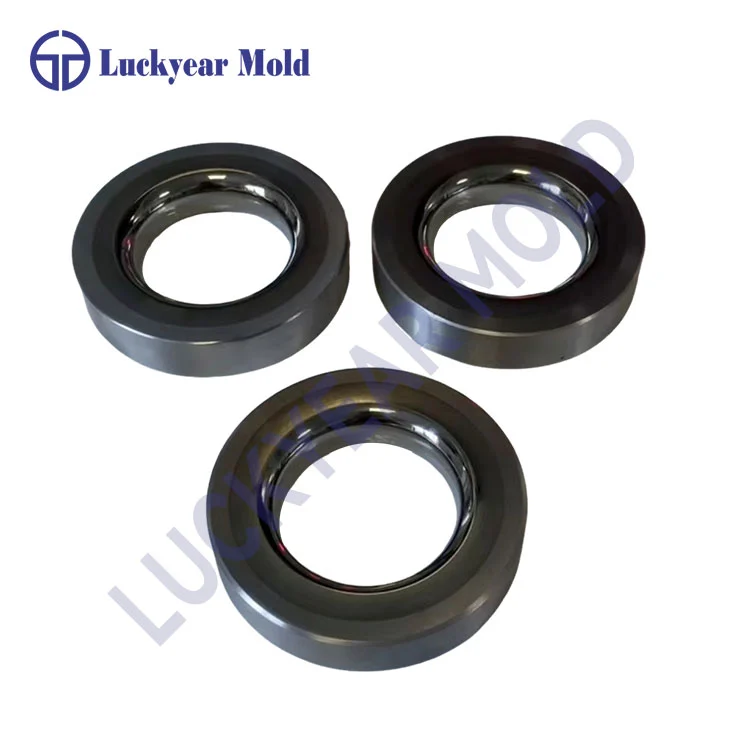
Used for semiconductor components, connectors, shielding parts, and thin‑metal cutting. High precision and burr‑free processing ensure signal integrity and assembly reliability.
Applied to engine parts, chassis components, fasteners, and connectors. High strength, wear resistance, and stability support mass production and safety‑critical quality.
Ideal for surgical instruments, implant parts, and disposable components. Clean, precise cuts with no contamination meet strict biocompatibility and hygiene standards.
Used in high‑strength alloy and special material forming. High‑temperature and high‑pressure performance meets extreme flight‑condition requirements.
Headless carbide dies are essential for wire, tube, and profile production. Smooth surfaces and dimensional stability improve product finish and yield.
Widely used in leather, rubber, plastic, and hardware processing. Versatility and durability make them a cost‑effective choice for many workshops.
| Performance Index | Carbide Standard Dies | Conventional Steel Dies |
|---|---|---|
| Hardness | HRA 88–93 | HRC 58–64 |
| Wear Resistance | Extremely High | Medium |
| High‑Temp Stability | Stable above 600°C | Softens above 250°C |
| Service Life | 10–50× longer | Short, frequent replacement |
| Processing Precision | Micron‑level | Sub‑millimeter level |
| Material Adaptability | Hard/tough/thick materials | Mild materials only |
| Cost Efficiency | Long‑term cost reduction | High long‑term cost |
The data confirms that Carbide Standard Dies outperform conventional dies in key indicators, especially for precision, high‑volume, or difficult‑material applications. While initial investment is higher, longer life and lower downtime deliver strong total‑cost savings.
Ensure clean, flat mounting surfaces; use proper alignment and uniform torque; apply suitable lubrication; and perform test runs before full production to avoid damage.
Keep surfaces clean, inspect for wear/chipping, lubricate regularly, store in dry, anti‑rust conditions, and replace worn dies promptly to protect equipment and parts.
Prioritize material quality, processing precision, customization ability, after‑sales support, and cost‑effectiveness. A trusted partner ensures stable supply and technical assistance.
As industry demands higher precision, efficiency, and durability, Carbide Standard Dies will evolve toward finer grains, better hardness‑toughness balance, advanced coatings, digital design, and greener production. These innovations will further boost performance and lower costs.
Q1: What materials are Carbide Standard Dies suitable for?
A1: Metals (stainless steel, copper, aluminum), plastics, rubber, leather, and composite materials.
Q2: How long is the service life?
A2: Typically 10–50 times that of steel dies, depending on materials and maintenance.
Q3: Can they process thin materials without distortion?
A3: Yes, high precision and sharp edges enable burr‑free, distortion‑free cutting.
Q4: Are custom sizes available?
A4: Most suppliers offer custom shapes and sizes for special parts.
Q5: How to maintain them?
A5: Clean after use, lubricate, inspect regularly, and store in dry conditions.
Q6: Are they cost‑effective?
A6: Yes—higher initial cost is offset by longer life, fewer changes, and lower rejects.
For high‑quality, high‑precision Carbide Standard Dies and professional solutions, trust the expert manufacturer:
Dongguan Luckyear Precision Mold Parts Co., Ltd.
contact us to discuss your project and improve productivity!